01 — The Story
A girl in Brooklyn, lining up her stuffed animals to give speeches about monkeys.
The journey from Little Guyana to the rainforests of Borneo, to the streets of NYC, to the archives of Oxford.
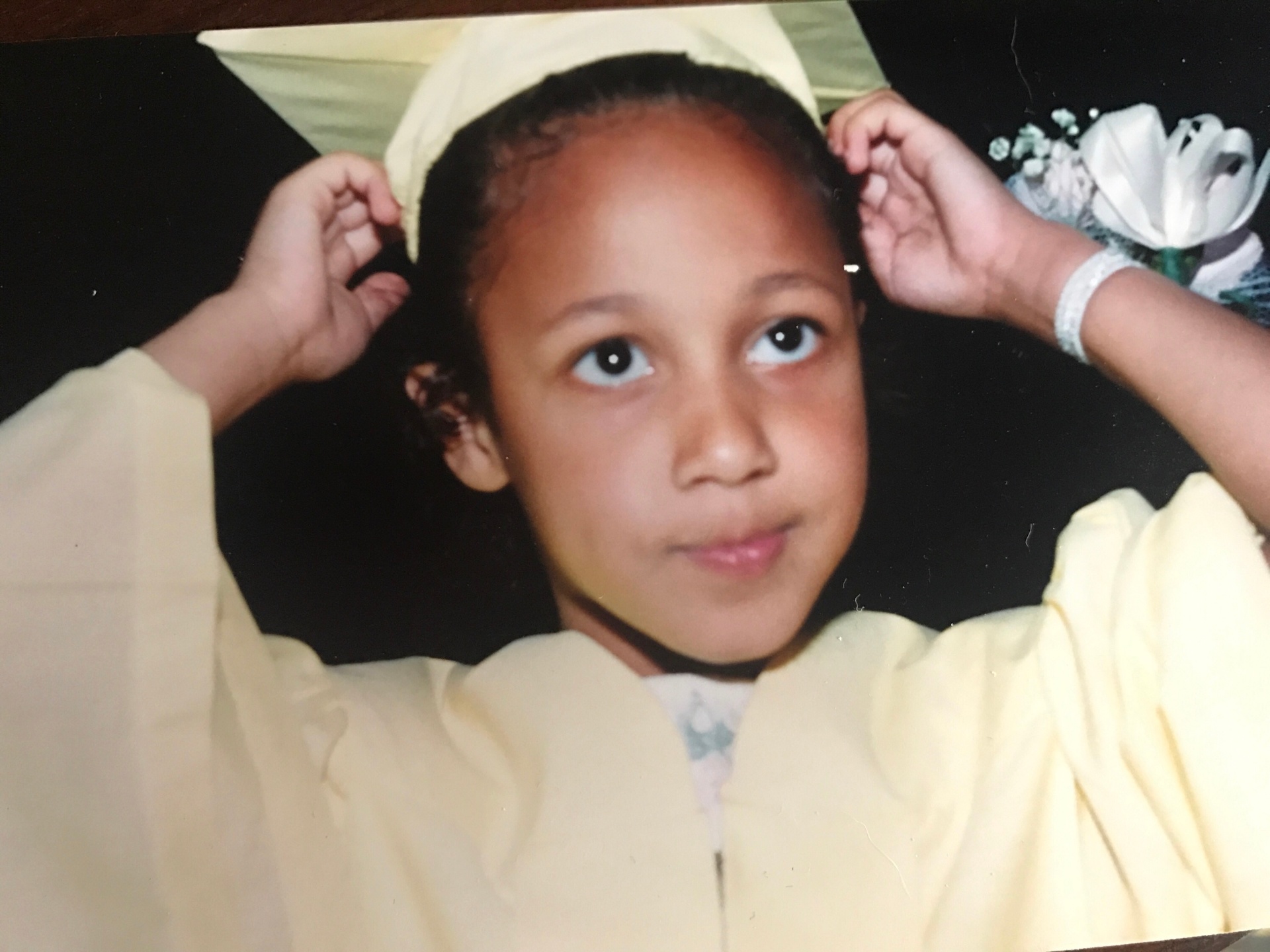
For as long as I can remember, I have been captivated by primates and the forests they call home. As a girl growing up in New York City — between Brooklyn and Little Guyana, Queens — I would line up my stuffed animals and give speeches about monkeys and apes, not knowing my play was prophecy.
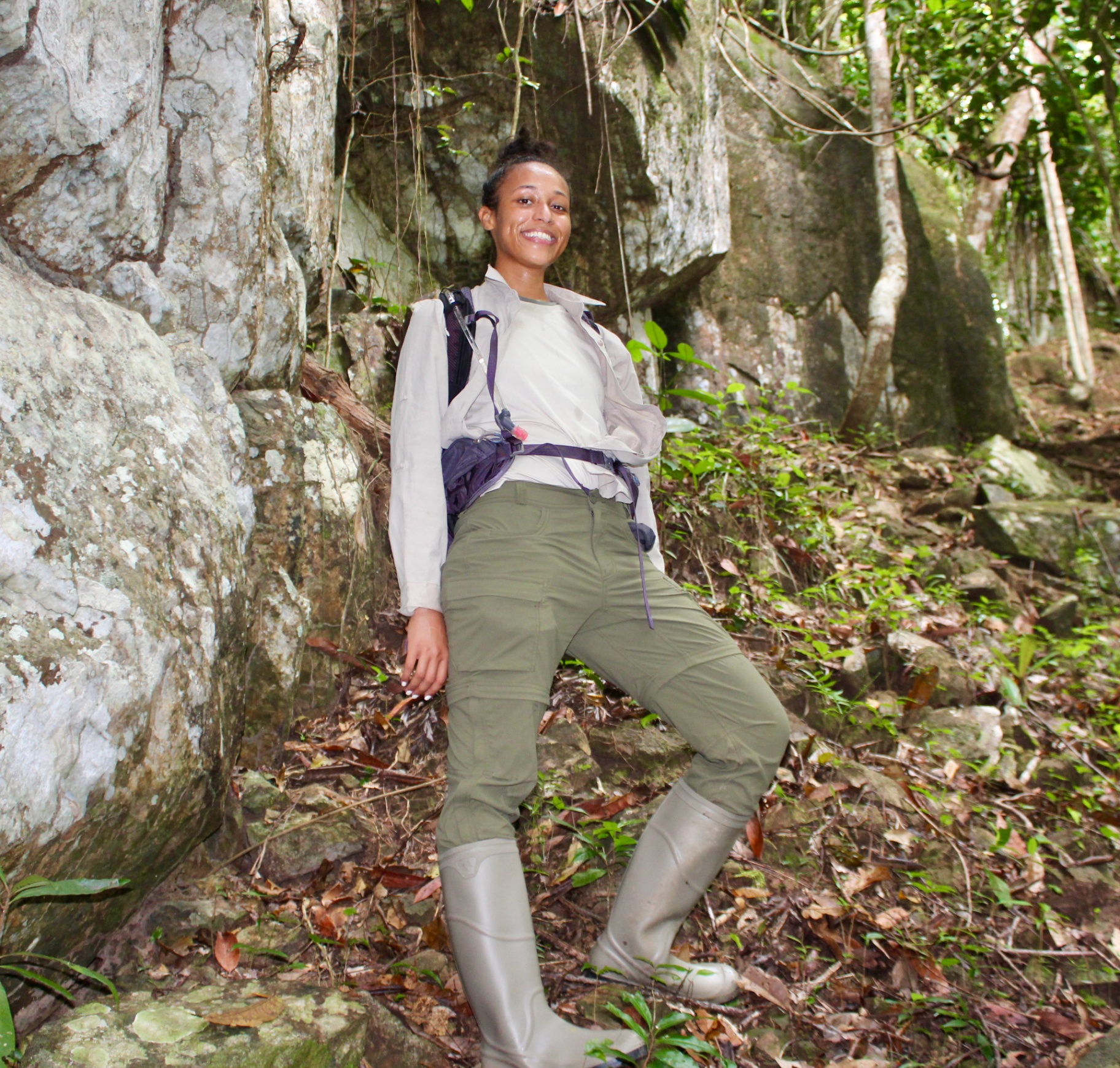
Despite the structural violences of poverty and racism, I was determined to become a scientist. I interned at the American Museum of Natural History in high school, studied Zoology at the University of Sheffield, completed my first field project through the National Science Foundation at the Sevilleta National Wildlife Refuge in New Mexico, and finally made it to Borneo to research orangutans for my undergraduate honors thesis at the University of Wisconsin–Madison. I can still feel the first time I saw an orangutan in the forest.
“I committed to a liberating path shaped by the legacy of so many Black and Indigenous peoples before me.”
Throughout those early years — classes, field stations, non-profit board rooms — I was most often the only Black person from a working-class background. During my Master's in Conservation Biology at Columbia, any remaining illusion of separation between my own experience and the racist structures of the discipline unraveled. I was working with Indigenous communities in Cameroon displaced from their ancestral homelands in the name of conservation. When I returned, the murder of Eric Garner and the non-indictment of the officers who killed him shifted my consciousness, and the direction of my life force.
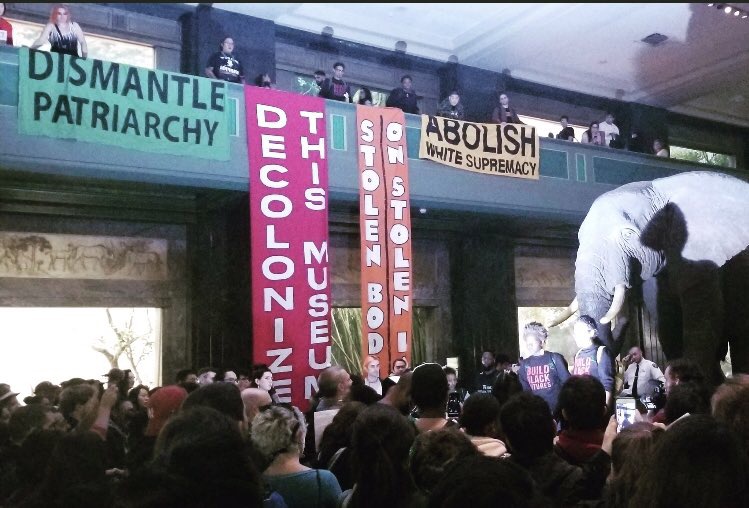
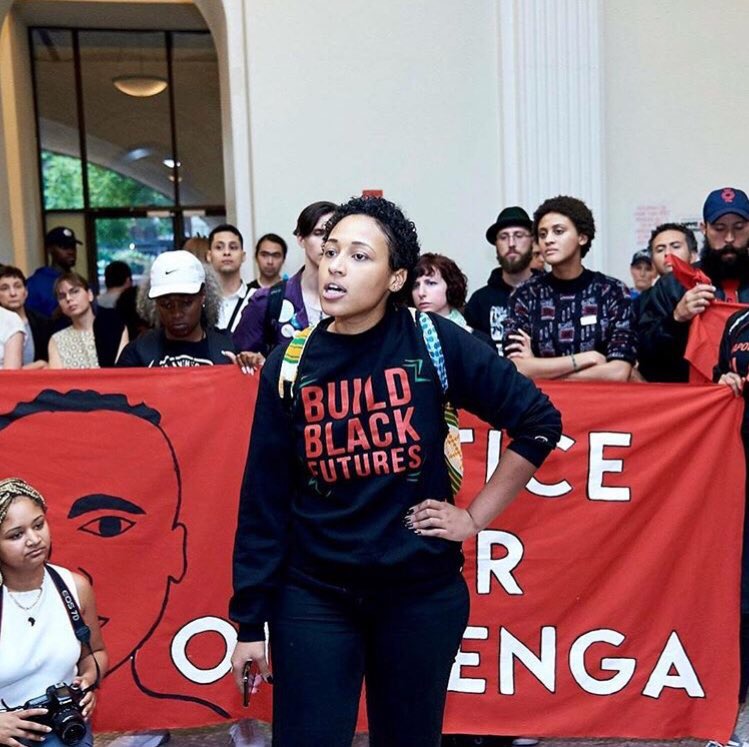
I fully channeled myself into abolitionist organising for Black liberation. In 2016 I co-chaired the NYC chapter of a national Black radical collective. We led political education and direct actions, disrupting police stations, subways, and streets through our bodies and chants. I presented internationally on the impacts of eugenics and the power of Black and Indigenous ecologies. I co-led a protest at the natural history museum — knowing what I know, how could I not? At a time when just saying the word Black seemed illegal in scientific spaces, the radical nature of my work had serious consequences for my career.
Still, I committed to a liberating path shaped by the legacy of so many Black and Indigenous peoples before me. The discrimination and exclusion I faced compounded with other embodied traumas to initiate a period of deep transformation. Surviving necessitated a more visceral reckoning with decolonizing ecologies. Ancestral practice and my love for our primate and forest kin kept me alive.
As I emerge, I am beginning to share revelations from this incubation — and to walk through a door that has been twenty years in the opening: a DPhil at the University of Oxford. I am the first in my family to graduate higher education. I first set foot in Oxford on a high-school study-abroad scholarship. I applied, was rejected, and kept the dream alive anyway.
I invite all those committed to liberation to a window of my journey, one extension of healing this ever-evolving earth body we share.