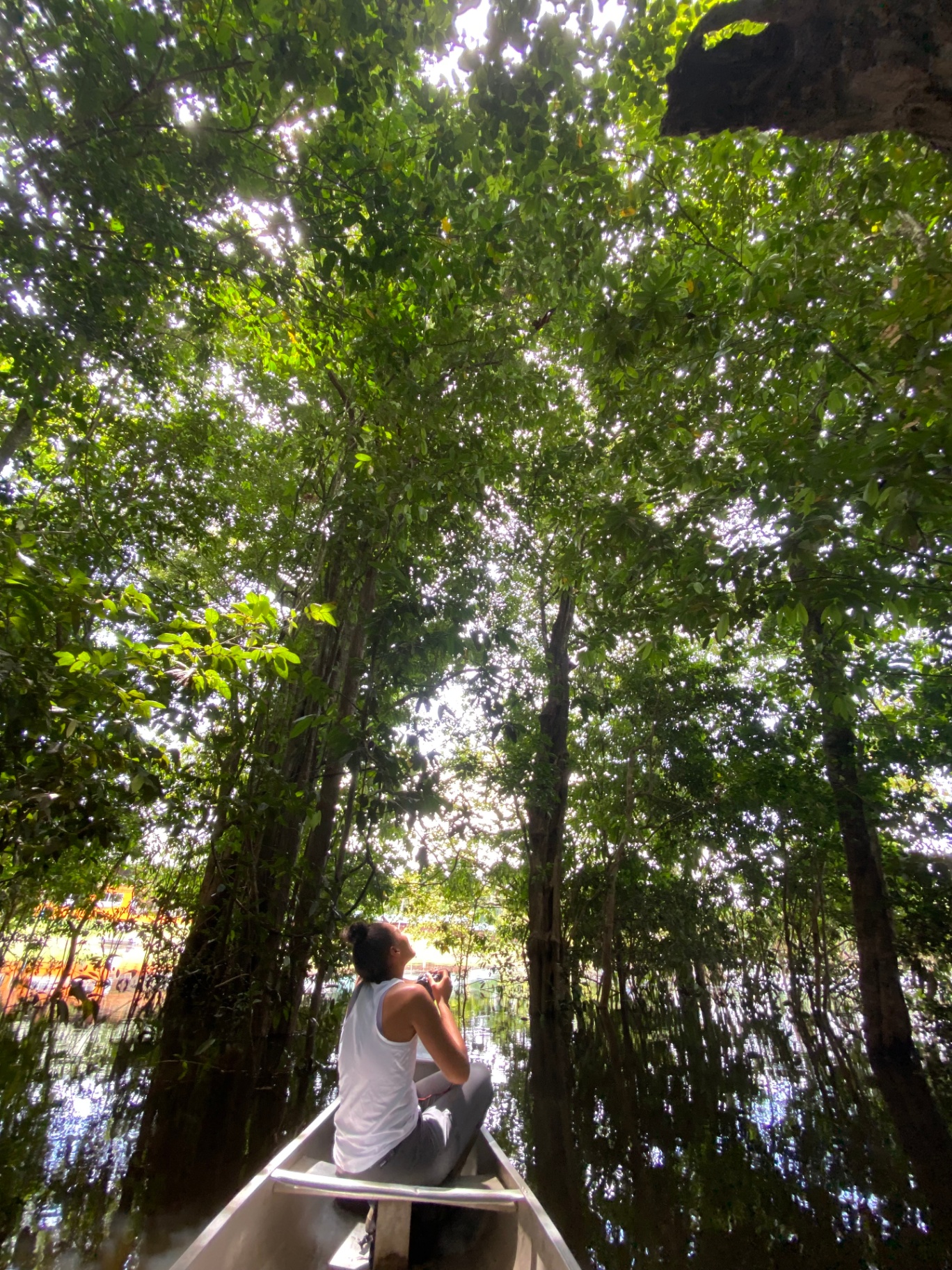
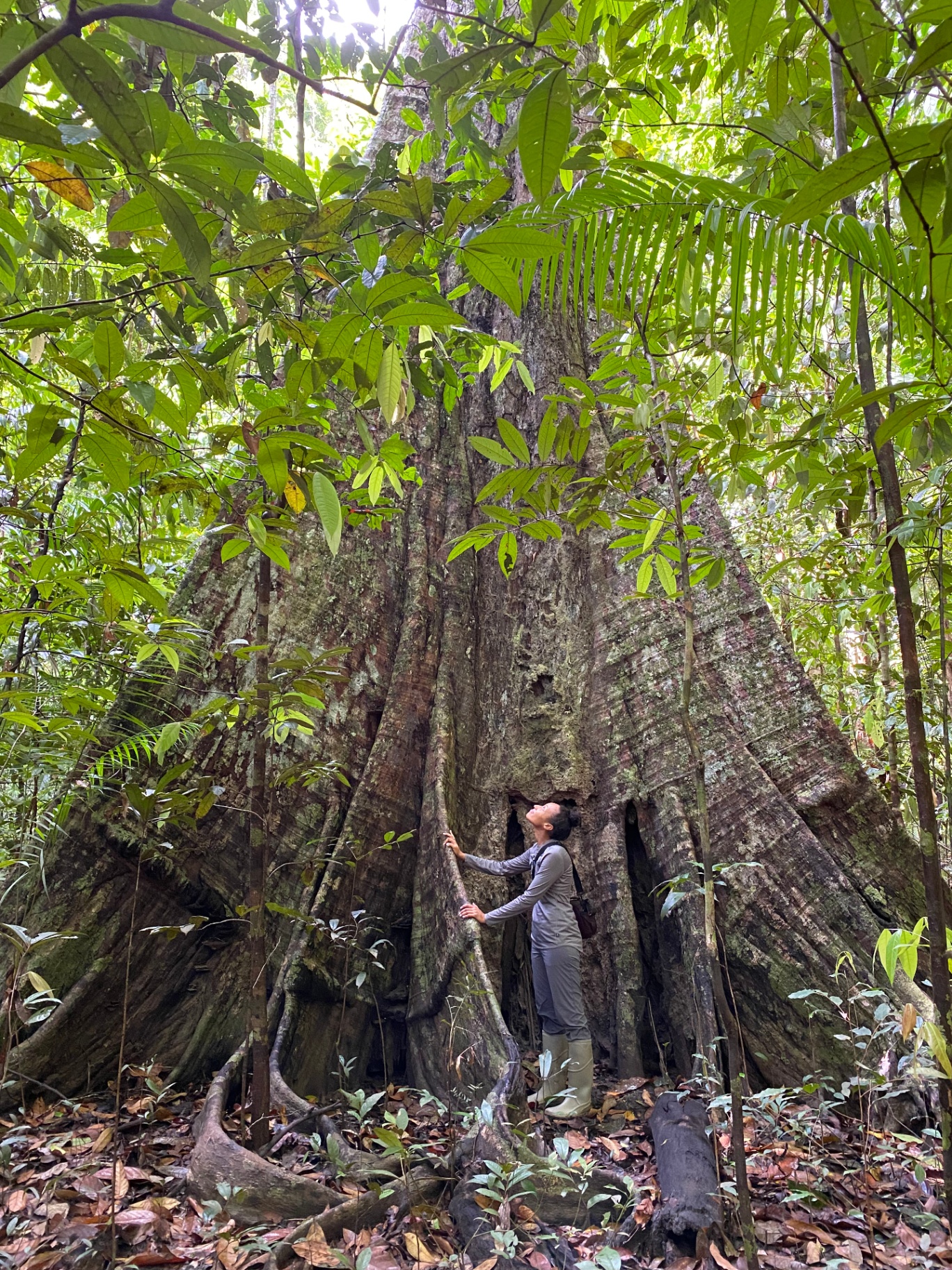
Cynthia gazing up at the buttress roots of an old-growth tree in the Guiana Shield

02 — The Work

Co-producing forests, primates, and people through Black and Indigenous sciences.

A DPhil in Geography and the Environment at the University of Oxford, beginning October 2026.

The research

Rivers, rainforests, and the archives that hold our ancestors.

Building on over 15 years of researching environmental science and stewardship with Black and Indigenous communities globally, Cynthia's work explores the intersection of natural science, heritage, and reparative justice in the Caribbean and South America.

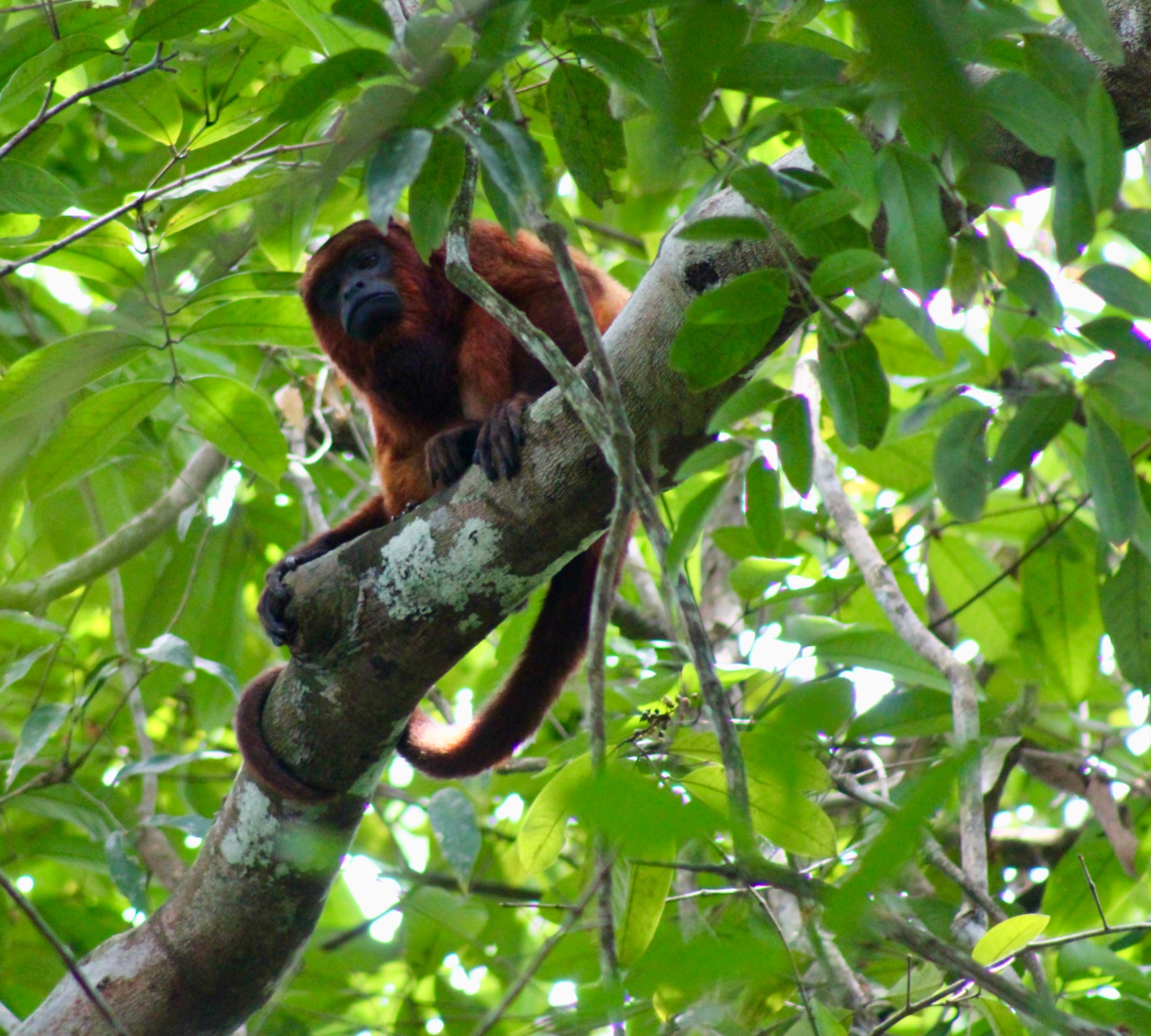
Her research takes the red howler monkey as a focal species to ask how forests, communities, and wildlife make one another in the rivers and rainforests of Guyana — a country whose Guiana Shield holds one of the most intact tropical carbon sinks on Earth. The work braids ecological survey, bioacoustics, ethnography, and archival research, foregrounding the imperative of Black and Indigenous science for coexistence with a rapidly changing planet.

A central component is untying the epistemological violence of colonial science. Given where Guyana is situated geopolitically and ecologically, this work is central to Pan-African and global liberatory movements for new planetary futures.
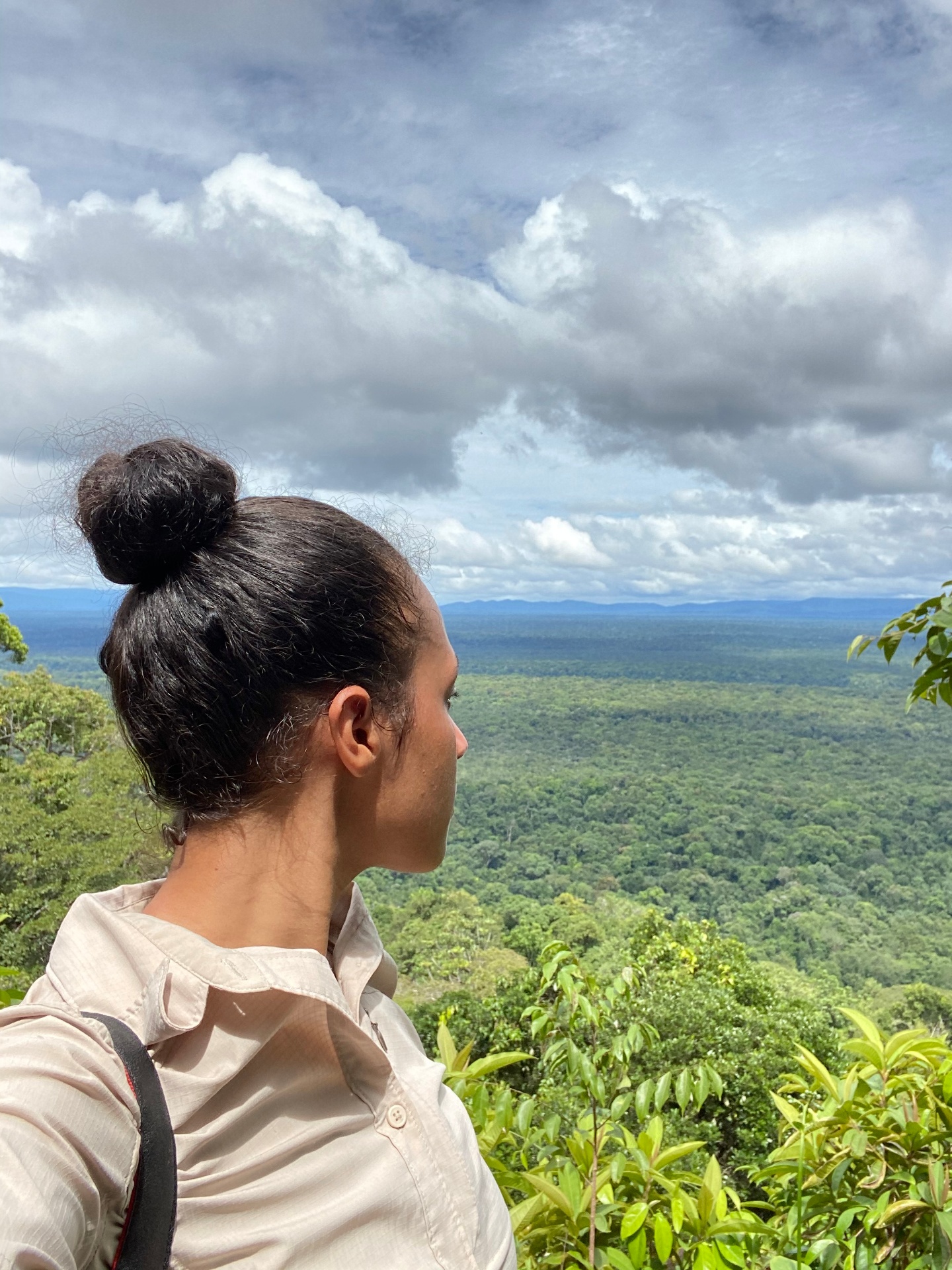
Unbroken rainforest canopy of the Guiana Shield seen from above, the landscape where Cynthia's fieldwork on forests and rivers takes place.

The Place

Guyana & the Guiana Shield

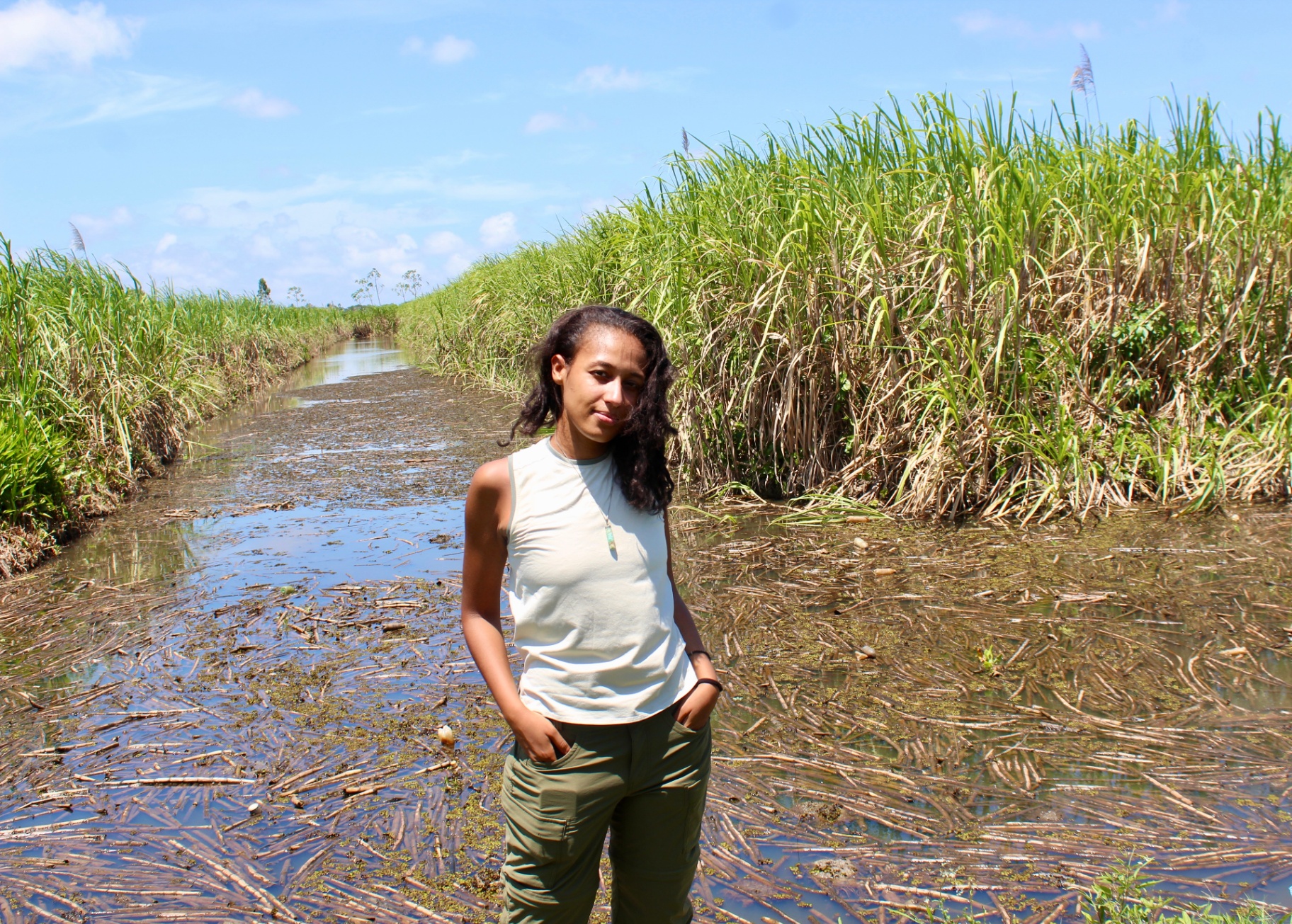
Rainforests, rivers, and ancestral plantation geographies along the Essequibo and Berbice — ecologies that are at once a planetary carbon stronghold and the landscape into which her ancestors were forcibly brought.

Cynthia in a dugout canoe under the rainforest canopy in Guyana, conducting bioacoustic and ethnographic fieldwork.

The Method

Ledger, recorder, and river

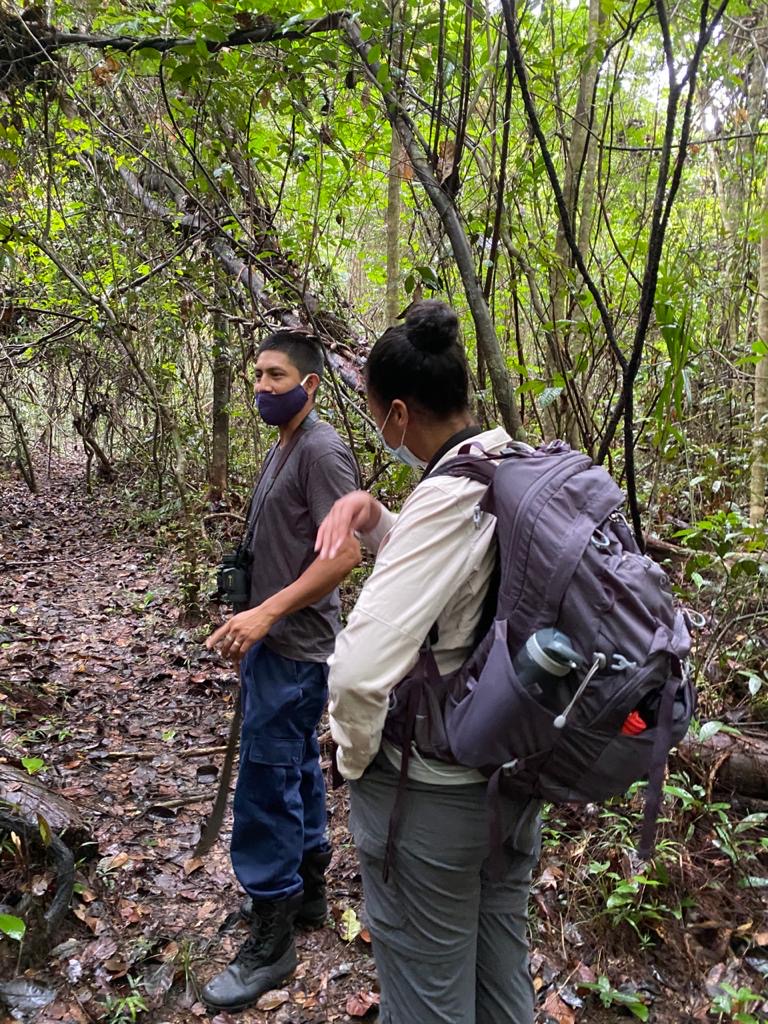
Bioacoustic monitoring of howler troops, ethnographic work alongside Indigenous and Afro-Guyanese communities, ecological surveys, and archival research at the Bodleian and Oxford University Museum of Natural History.

Cynthia working with the historic Topographical Map of the County of Berbice in the Bodleian Library at Oxford.

The Vision

An institute, after Oxford

Cynthia is building toward a research institute for studying wildlife through Black and Indigenous sciences — a place where evolutionary theory is rewritten from the ground that grew it.

Why Oxford, why now

The right place. The right time.

Why Oxford

Central to the history of ecological and evolutionary science — and home to critical Caribbean collections found nowhere else, including maps of the very plantations where her ancestors were enslaved. Oxford is also the ground on which reparative and epistemic justice in the sciences must be done.

Why the School of Geography and Environment

Ranked #1 in the world for 16 consecutive years (QS World University Rankings by Subject). Cutting-edge faculty and the institutional capacity for multi- and transdisciplinary research at the scale this work requires.

Why now

Guyana's capital, Georgetown, is projected to be underwater by 2030. The forests Cynthia studies serve as planetary lungs in mediating global carbon levels. This research is of critical and urgent planetary and regional importance.

Field & archive

A practice across forest, museum, and movement.

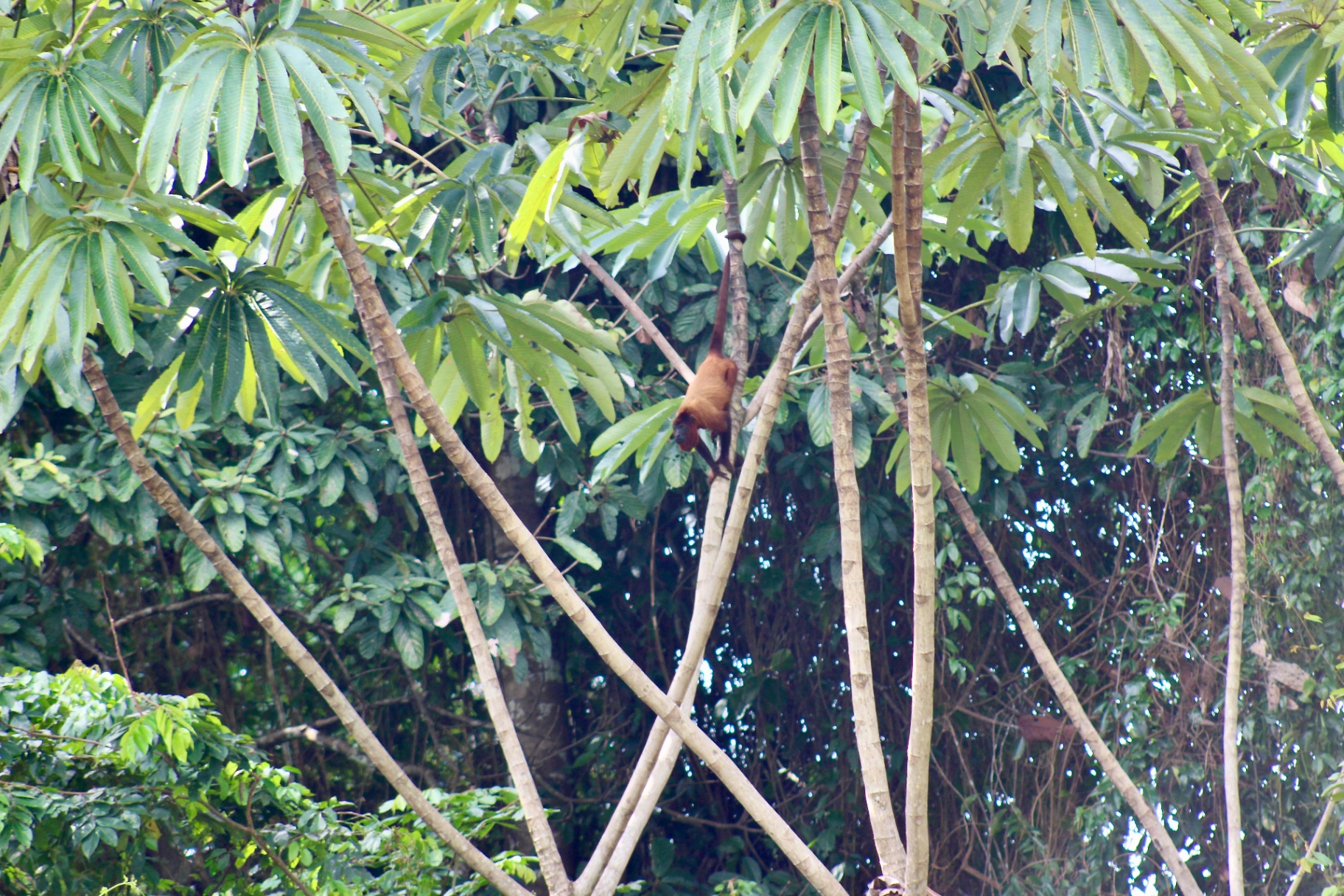
Red howler monkey, focal species of the DPhil research.
Bodleian Library — Topographical Map of the County of Berbice.
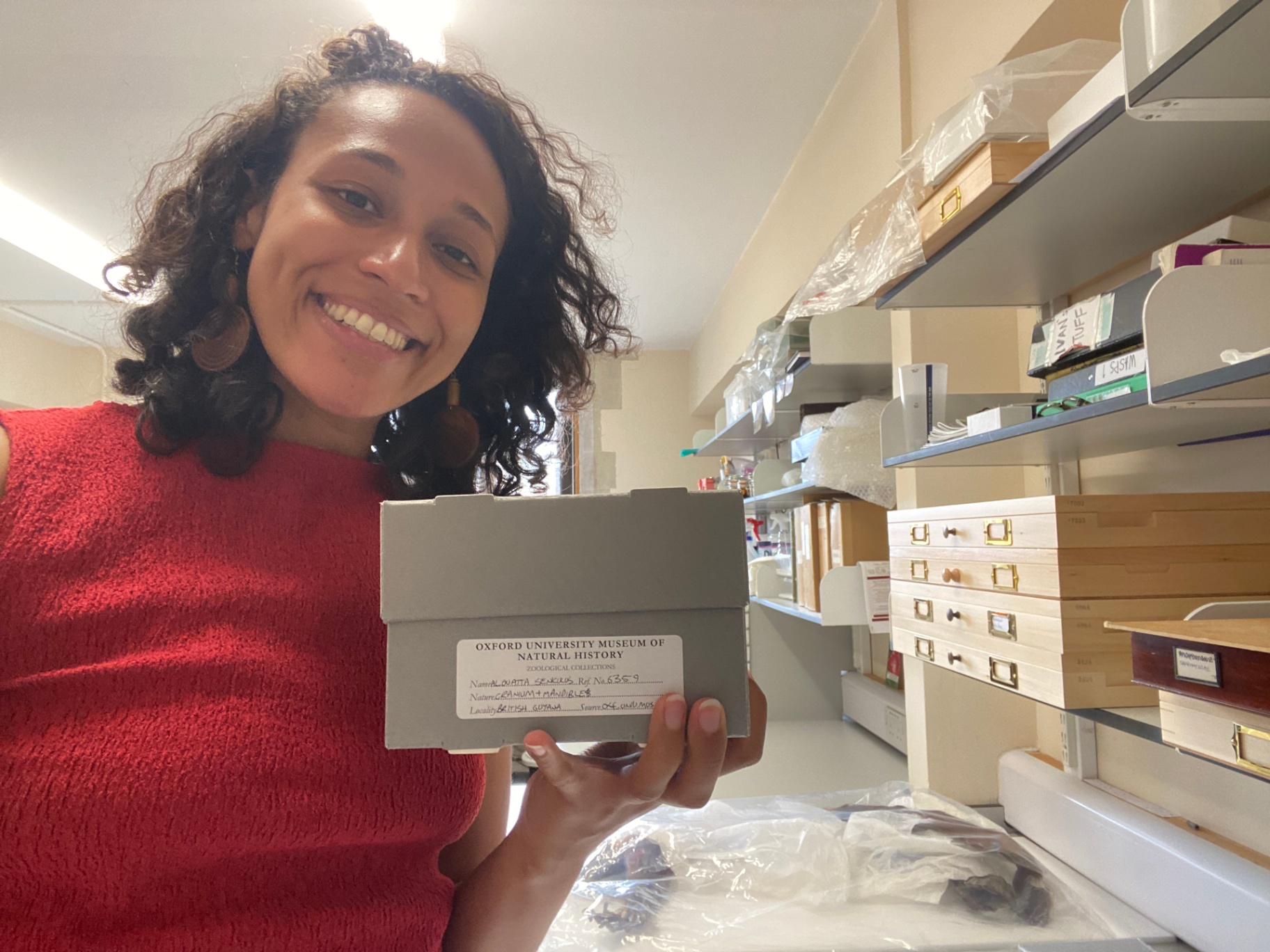
OUMNH — Alouatta seniculus cranium, collected in British Guiana.
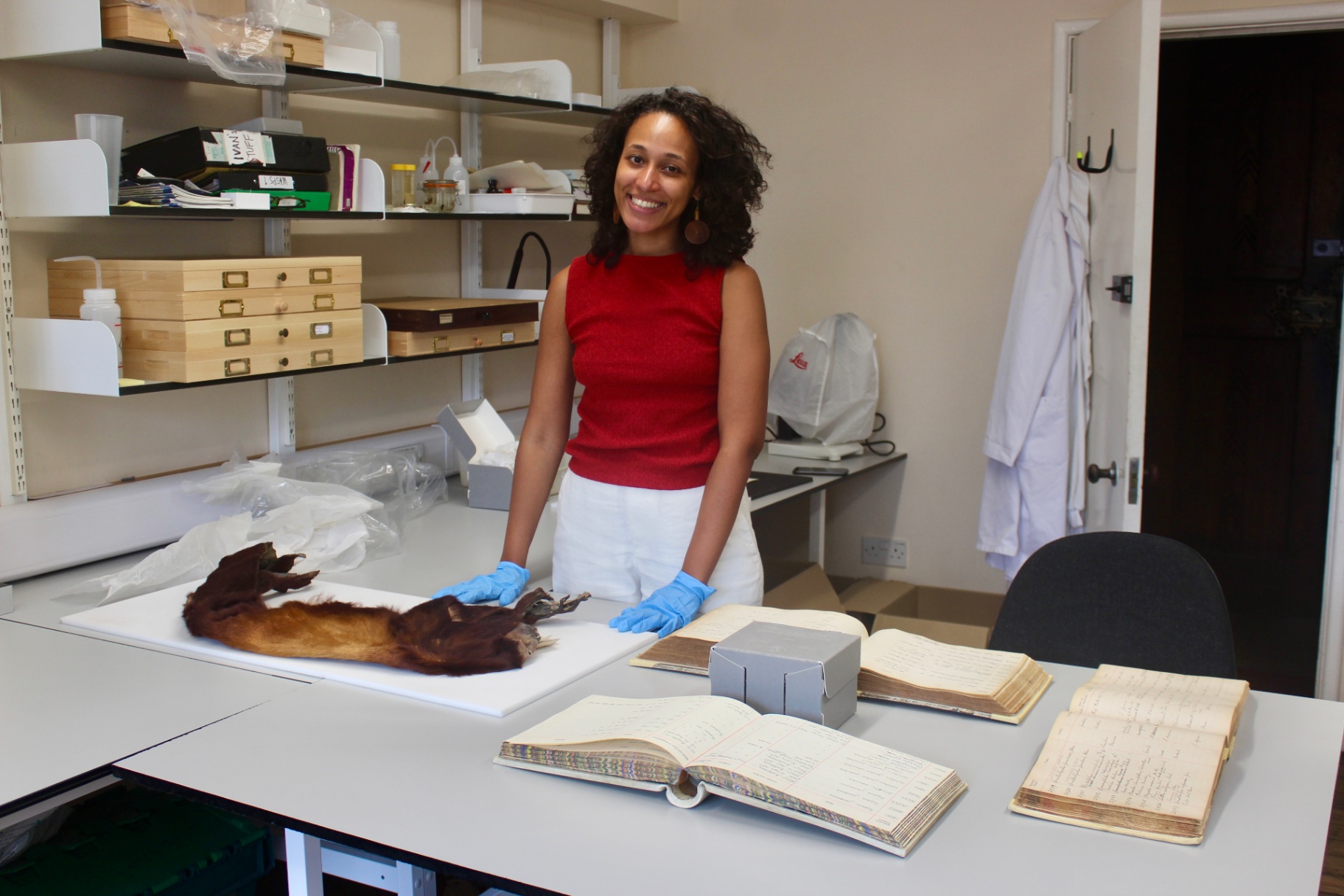
Working with archival mammal specimens at OUMNH.
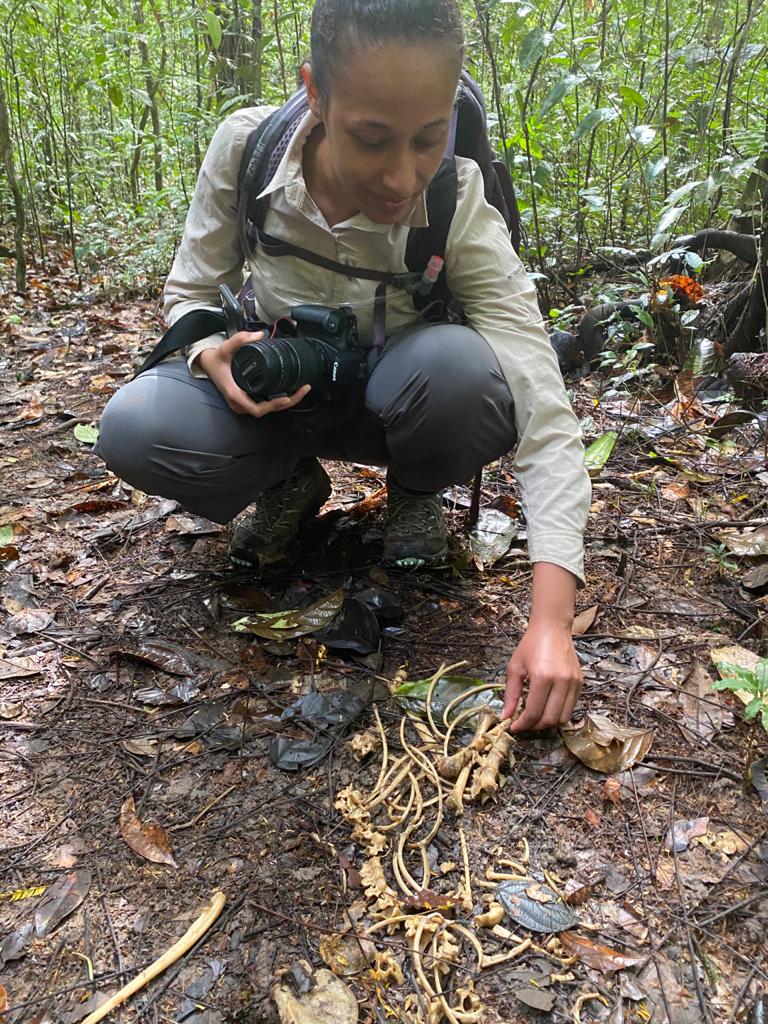
Documenting bones on the forest floor, Guyana.
Tracking a howler troop with a local field partner.
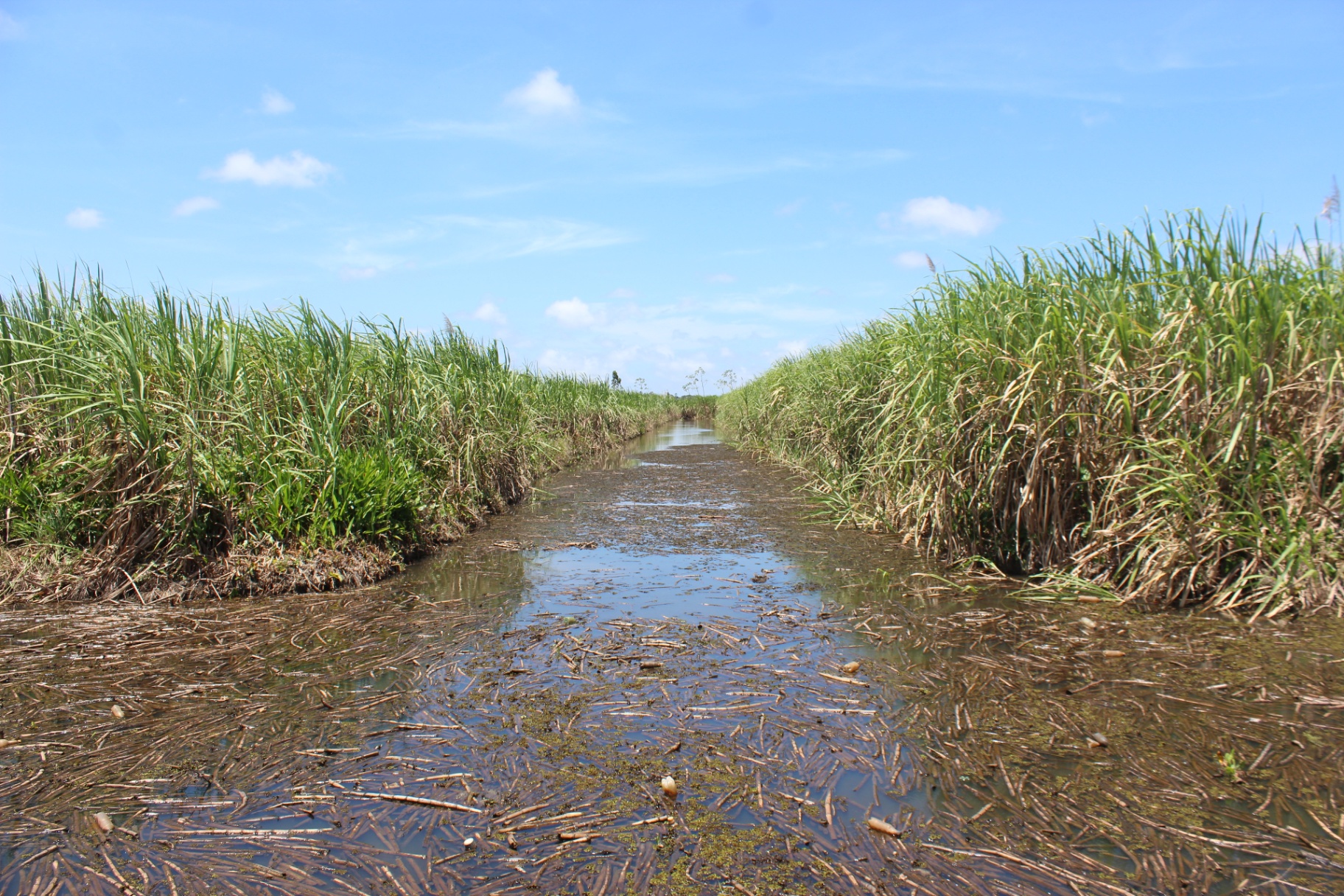
Sugarcane and water — landscapes of ancestral memory.
Returning to the canefields.
A howler high in the canopy.

Help carry this work to Oxford.